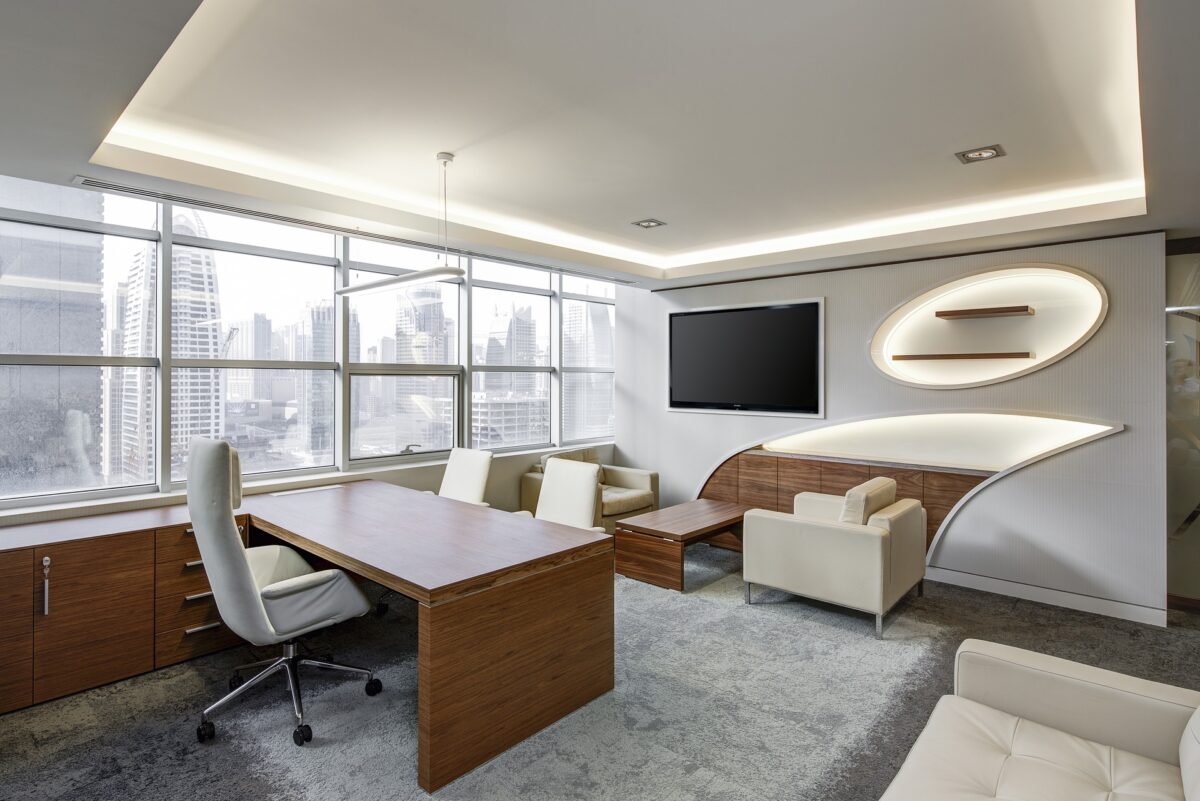
In the realm of modern commercial development, the pursuit of sustainability is not just a trend but a necessity. As you embark on the journey of a LEED-certified office build-out, selecting the right contractor becomes paramount. This decision not only impacts the project’s success but also reflects your commitment to environmental responsibility and operational efficiency. Navigating the intricate criteria of LEED certification requires a contractor who is not only skilled in construction but also deeply knowledgeable about sustainable practices. This guide is crafted to assist you, whether you are a developer, architect, or facility manager, in making an informed choice that aligns with your green building objectives.
Understanding LEED Certification: What It Means for Your Office Build-Out
The Essence of LEED Certification
LEED, or Leadership in Energy and Environmental Design, certification stands as a global benchmark for sustainability in building practices. Developed by the United States Green Building Council (USGBC), it evaluates aspects such as energy efficiency, water use, and indoor environmental quality according to the USGBC. These sustainability criteria help ensure that buildings like office spaces not only minimize environmental impact but also promote healthier environments for occupants.
The Certification Levels
A LEED-certified project can achieve one of four levels: Certified, Silver, Gold, or Platinum. These levels reflect how a project performs across various sustainability metrics, with Certified being the starting point and Platinum the pinnacle of eco-conscious design. For office build-outs, adhering to these criteria can mean significant reductions in operating costs alongside improvements in employee productivity and well-being as described by Emerald Built Environments.
Benefits for Your Office Build-Out
Choosing a general contractor for commercial projects that aligns with LEED standards brings several advantages. Certified spaces typically enjoy lower operating costs, increased property value, and enhanced marketability. They also contribute to corporate sustainability goals by demonstrating an organization’s commitment to environmentally responsible practices. Not only does this align with environmental goals, but it also provides a competitive advantage in attracting eco-conscious tenants and clients—Greenly highlights these benefits clearly.
Navigating the Process
Achieving LEED certification for your office build-out requires a strategic approach. The six-step process includes setting explicit goals, meeting prerequisites, and submitting thorough documentation for review. Project managers must pick a general contractor for commercial buildings who is adept with these processes, emphasizing documentation and credit earning, to ensure successful certification. The office principles guide underscores this method, noting that projects may benefit from recertification, keeping them updated with evolving market trends.
This holistic overview of LEED certification highlights its integral role in promoting sustainability within office environments and underscores its benefits for commercial real estate. Prioritizing these elements when choosing a contractor can greatly enhance your office build-out project’s success, both environmentally and economically.
The Importance of Choosing the Right General Contractor for Commercial Projects
Ensuring Project Success with the Right Partner
In the world of commercial construction, the choice of a general contractor is paramount. The right general contractor for commercial projects serves as an essential ally in ensuring the success and smooth execution of a build-out. Selecting a highly competent contractor can guarantee that your project is completed on time, within budget, and at the highest quality standards. Conversely, an inexperienced or careless contractor can lead to costly delays, substandard work, and potential financial pitfalls. Thus, the importance of choosing a contractor cannot be overstated.
Aligning with Sustainability and LEED Standards
When aiming for LEED-certified office build-outs, sustainability becomes a cornerstone of the project. A skilled contractor not only needs to understand traditional construction protocols but also align with environmentally sustainable practices. This makes their role doubly vital as they integrate green building standards into the workflow, ensuring compliance with LEED requirements. A contractor versed in these standards brings to the table expertise in adopting eco-friendly materials and technologies and foresees and mitigates sustainability-related challenges during construction.
Fostering Strong Relationships and Communication
Another critical aspect of selecting a general contractor is their ability to foster strong working relationships and maintain open lines of communication. A successful contractor-client relationship hinges on clear communication, mutual respect, and a collaborative approach to problem-solving. Contractors who emphasize thorough planning and regular updates can help keep the project running smoothly, addressing issues proactively as they arise according to Pivotal Construction.
Conducting Thorough Due Diligence
Finally, a rigorous due diligence process is indispensable in choosing a general contractor. Evaluating the contractor’s credentials, including their licensing, past project portfolios, and client references, plays a crucial role in securing the right fit for your project. Engaging with the contractor early, as suggested by industry best practices, allows for detailed discussions on project vision, requirements, and timelines. This proactive engagement not only sharpens project clarity but also fortifies the foundation for a successful build-out, ensuring harmony between goals and execution (Ganneston Construction).
Key Qualities to Look For: How to Pick a General Contractor Aligned with LEED Standards
LEED Accreditation and Experience
Choosing a general contractor for commercial projects that are LEED-certified requires a nuanced approach. Start by ensuring the contractor has LEED accreditation. This certification indicates their proficiency with the LEED framework, which is essential for ensuring compliance with green building standards. Experience in managing projects that meet LEED requirements is equally important. Look for a contractor with a robust portfolio of past LEED-certified projects, which showcases their capability to navigate environmental regulations and energy efficiency standards effectively.
Expertise in Sustainable Building Practices
A qualified contractor will possess a deep understanding of sustainable building practices, extending beyond mere accreditation. They should demonstrate a commitment to utilizing eco-friendly materials and adopting energy-efficient construction techniques. This includes the ability to source recycled building materials and incorporate renewable energy solutions, aligning your project with LEED standards and contributing to the overall project goals.
Strong Project Management Skills
Effective coordination among architects, engineers, and subcontractors is crucial for green projects, where sustainability objectives must be meticulously tracked and achieved. A contractor’s capacity for strong project management is vital to keep the project on schedule and within budget while maintaining quality control. Opt for a contractor who can demonstrate success in managing timelines, addressing challenges seamlessly, and ensuring the project fulfills both LEED criteria and your specific sustainability goals.
Financial Stability and Compliance
Finally, ensure the selected contractor demonstrates financial stability. LEED projects often involve substantial investments, and the contractor must show capacity to manage these without risk of defaults or delays. Additionally, verifying their adherence to local building codes, OSHA regulations, and other safety standards is essential. A contractor’s compliance with these aspects ensures smooth progress through the complex permitting and inspection processes necessary for LEED-certified projects.
For comprehensive guidance on how to choose a general contractor with these key qualities, you may refer to curated resources, such as Cadence’s insights or guidelines from Perrier Esquerré Contractors, which stress the importance of these factors in selecting the right partner for your venture.
Vetting General Contractors for Commercial Buildings: A Step-By-Step Guide
Define Your Project Needs
Before beginning the search for general contractors for commercial buildings, it’s crucial to thoroughly define your project requirements. Determine the specific aspects of your LEED-certified office build-out, including the sustainability features you prioritize, such as energy efficiency, water conservation, and the use of sustainable materials. Organize these priorities in collaboration with your project team, consisting of architects, design professionals, and sustainability consultants. This preparatory step sets clear expectations, which are essential when you discuss your project with potential contractors.
Conduct Thorough Research
Familiarize yourself with the landscape of general contractors specializing in commercial projects. Look for experienced firms that have a strong track record in delivering LEED-certified buildings. Utilize industry directories, online reviews, and peer recommendations to compile a list of potential candidates. Once you’ve narrowed down your choices, delve deeper into each company’s background by examining their portfolio, certifications, and affiliations. Matching your project needs with a contractor’s expertise is imperative to achieving sustainability goals.
Evaluate Credentials and Experience
A general contractor’s credentials can significantly affect the success of your project. Ensure that any contractor you consider possesses valid licensing, comprehensive insurance, and appropriate bonding. For LEED projects, it’s particularly beneficial to select contractors who have completed similar green-certified projects. Request references from previous clients to gain firsthand insights into their service quality, communication skills, and problem-solving capabilities. As detailed by Steve’s Services LLC, these elements are vital for navigating complex construction regulations successfully.
Assess Communication and Problem-Solving Skills
An often-overlooked factor in how to choose a general contractor is their communication style. For LEED-certified projects, where coordination between numerous stakeholders is necessary, your contractor must excel in both communication and problem-solving. Successful contractors should offer transparent updates throughout the project lifecycle, and they must have a proactive approach to resolving onsite challenges. This readiness is crucial for maintaining project momentum and adherence to LEED standards.
Conclude with An Informed Decision
After thoroughly vetting potential contractors, compare all the gathered information, considering factors such as project experience, financial stability, and communication skills. Opt for a contractor who not only aligns with your sustainable goals but also demonstrates commitment to efficient project execution. By taking these methodical steps, you’ll make a well-informed and strategic choice in selecting the right contractor for your LEED-certified office build-out.
How to Choose a General Contractor: Critical Questions to Ask During the Selection Process
Assess Experience and Expertise
When choosing a general contractor for commercial projects, their experience in similar ventures is paramount. Inquire about the types of commercial projects they’ve completed over the past five years. Evaluating their history in LEED-certified office build-outs will provide insight into their capability to meet your sustainability goals. Since commercial buildings often require specialized knowledge, such as familiarity with remediation and abatement for renovations, ensure the contractor has a proven track record in these specific areas. Asking these questions will help you select a partner with the expertise required to navigate your project’s unique demands efficiently.
Verify Credentials and Compliance
A contractor’s credentials are a clear testament to their professionalism and ability to comply with local building codes and regulations. Confirm that your potential contractor holds proper licensing, certifications, and adequate bonding capacity. This not only ensures legal compliance but also reflects on their commitment to quality and reliability. In addition to these credentials, ask about their financial stability and project management skills, critical factors in choosing a contractor who can competently handle the complexities of your sustainable office build-out (Cadencenow).
Gauge Communication and Problem-solving Abilities
Effective communication is pivotal in the success of any commercial construction project. During the selection process, observe how potential contractors handle inquiries. Are their responses clear and detailed, or vague and incomplete? Engaging with contractors who prioritize transparent interaction and problem-solving can mitigate risks associated with delays or unexpected changes in project scope. Questions about site safety measures, subcontractor management, and quality control processes will give you a glimpse into their operational style and how they tackle challenges (PEC GC).
Request References and Review Past Projects
Finally, seek testimonials from previous clients and request to see past projects that align with your sustainability objectives. Positive reviews and a strong reputation are indicators of trustworthiness and successful outcomes. Be wary of any red flags, such as negative reviews or significantly lower bids than competitors, as these may suggest underlying issues like unresponsiveness or cost-cutting at the expense of quality (Cooper & Co).
Building a Sustainable Partnership: Collaborating with Contractors and Design Teams
Aligning Objectives
Establishing a shared vision is the cornerstone of a successful partnership between contractors and design teams for LEED-certified office build-outs. Early integration of sustainability goals can drive these teams to embrace a unified approach towards environmental performance. By focusing on common goals such as energy efficiency and waste reduction, teams can streamline workflows and foster a collaborative culture. Open communication is vital, allowing you to identify and address potential sustainability challenges from the outset. Leveraging modern collaboration platforms can ensure that all stakeholders are aligned with the project’s objectives, scope, and constraints, optimizing resource efficiency and minimizing environmental impacts as highlighted by Clark Construction Group’s success.
Enhancing Communication and Coordination
Effective communication and coordination form the backbone of any teaming strategy. Clearly defined roles and responsibilities are crucial to maintaining momentum in ambitious projects. Adopting a coaching approach over a top-down directive fosters accountability and encourages innovation. Implement practical strategies like the “2-minute huddle” to identify and mitigate risks swiftly, ensuring all team members are well-informed and agile in their responses as supported by strategies recommended by Beck Technology. Moreover, the use of digital tools such as Building Information Modeling (BIM) can streamline data sharing and problem-solving, enhancing inter-team collaboration and preventing small issues from escalating.
Cultivating Trust and Ownership
Building trust is essential for a cohesive partnership where each member takes ownership of the project outcome. Recognize and reward exemplary work irrespective of who achieves it, fostering a sense of shared responsibility and enthusiasm across the team. Establishing a single source of truth for project documentation can prevent miscommunications, ensuring everyone works from up-to-date information. Avoid forming overly large teams that may hinder decision-making processes; instead, keep them small and manageable to enhance accountability and efficiency. This cultivates an environment where achieving sustainability goals is a collective endeavor, providing long-term value for all involved stakeholders, as noted by the USGBC’s insights into successful collaborations.
Navigating Contracts: Ensuring Your Contractor Meets LEED Certification Requirements
Selecting a contractor who can adeptly navigate LEED certification requirements is crucial for the success of your office build-out. The path to obtaining LEED certification demands attention to detail and a thorough understanding of sustainability standards, making it essential for your chosen contractor to be both knowledgeable and proactive.
Understanding
To begin with, it’s important to ensure that your contractor is well-versed in LEED guidelines, covering various prerequisites and credits from the LEED reference guide. These include necessities like high-efficiency water fixtures and individualized electrical metering, which contribute significantly to the project’s overall environmental performance. A contractor well-acquainted with these guidelines will be prepared to address the specific sustainability requirements pertinent to your project.
Incorporating Sustainability Clauses
When drawing up contracts with your general contractor for commercial projects, including sustainability provisions is key. This involves detailing the use of low-carbon materials, local sourcing, and other environmental considerations aligned with LEED standards. Collaborating early and consistently with your contractor to integrate these aspects into your contract can optimize the sustainability output of your project. Understanding the impact of these clauses and engaging in ongoing dialogue helps meet LEED certification goals, as emphasized here.
Documentation and Compliance
Finally, fostering an environment of collaboration between all stakeholders—from architects to sustainability officers—is fundamental. Implementing an integrated design process, wherein the project team works closely from inception, can unveil synergies and improve overall building performance. This alignment across functions enhances the likelihood of securing a LEED-certified space that not only meets but exceeds your sustainability expectations. Engaging partners experienced in green construction is a strategic step toward an eco-friendly and efficient office build-out.
Tips for Managing Your LEED-Certified Office Build-Out Successfully
Create a Detailed LEED Project Plan
To successfully achieve LEED certification for your office build-out, it is essential to construct a meticulous project plan. Begin by assembling a dedicated team of professionals with varied expertise, including architects, engineers, and sustainability consultants. These specialists will guide your project through each phase of the LEED certification process, ensuring alignment with both the organizational vision and environmental requirements. Developing a comprehensive plan involves understanding the specific LEED rating system applicable to your project and outlining precise goals. Knowing the exact credit allocations—such as sustainable sites, energy efficiency, and materials and resources—will help in strategizing to earn necessary LEED points as outlined here.
Optimize Communication and Documentation
Effective communication within your team and consistent, transparent documentation are crucial components for achieving a successful LEED-certified office build-out. Regular updates and meetings facilitate a cohesive effort among contractors, project managers, and facility managers, ensuring milestones are met within timeline and budget. Employ technology like mobile apps to streamline documentation and track LEED materials, as well as manage communications with subcontractors as advised. Accurate record-keeping is necessary for submitting evidence to the U.S. Green Building Council (USGBC) for review, paving the way towards achieving your desired LEED certification level.
Implementation and Risk Management
Managing an office build-out requires a keen focus on implementation and potential risk factors. Develop and adhere to a construction waste management plan to divert waste efficiently while tracking and reporting progress. Integration of renewable energy sources and sustainable materials—such as recycled metals and low-VOC finishes—not only aids in reducing environmental impact but also enhances the facility’s long-term performance and cost-efficiency (source). Moreover, implementing an indoor air quality management plan ensures a healthy environment for future occupants. Regular inspections, coupled with proactive risk mitigation strategies, safeguard the project from unforeseen obstacles and foster a smooth transition from construction to occupancy.
General Contractor for Commercial Projects FAQs: All Your Essential Questions Answered
What Does a General Contractor Do?
A general contractor for commercial projects plays a pivotal role in the success of construction endeavors by overseeing all aspects of the build. From the initial planning stages—where they coordinate with architects and engineers—to the final touches, a general contractor ensures project completion on time and within budget. They manage subcontractors, procure necessary materials, handle permissions and inspections, and ensure that all work complies with commercial building standards and environmental regulations. Their meticulous supervision and expertise can significantly ease the complexities associated with obtaining LEED certification, a crucial step for developers focused on sustainability.
How Do General Contractors Handle Challenges?
A seasoned general contractor for commercial buildings will anticipate potential hurdles and have strategies in place. They are adept at managing change orders, ensuring that alterations to the original plan are documented and agreed upon before proceeding. By leveraging their network of skilled subcontractors and employing digital project management tools, these contractors maintain high quality and workplace safety standards, addressing issues such as hidden site conditions promptly and efficiently. Their proactive approach ensures that a green-certified office build-out not only meets but exceeds industry standards, ultimately leading to a successful and sustainable project completion.
Conclusion
In your pursuit of a LEED-certified office build-out, selecting the right contractor is pivotal. By prioritizing experience, verifying credentials, and evaluating a contractor’s commitment to sustainability, you ensure that your project aligns with environmental goals and achieves LEED standards. Collaborate with professionals who not only understand the intricacies of green building but also share your vision for a sustainable future. This strategic choice not only enhances the value of your investment but also reinforces your commitment to responsible development. As you embark on this journey, let your decision reflect a dedication to quality, innovation, and ecological stewardship.