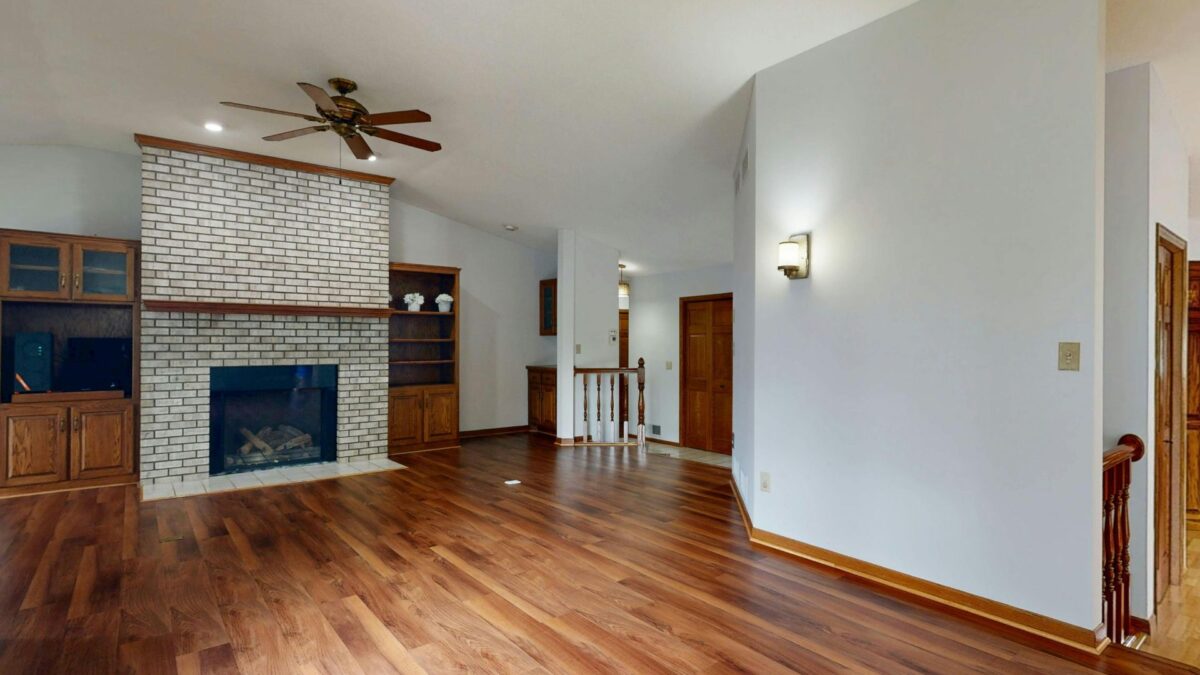
Navigating the myriad choices of hardwood floor colors can seem daunting, yet it is an essential step in personalizing your living or working space. As you embark on this journey, consider how each hue will harmonize with your existing decor and reflect your personal style. Whether you are a homeowner seeking to enhance your family’s sanctuary, an interior design enthusiast curating a masterpiece, or a professional crafting a polished office atmosphere, the right hardwood shade is pivotal. This guide will equip you with the insights needed to balance aesthetics, durability, and budget, ensuring a choice that elevates your space’s allure and functionality.
Understanding Hardwood Flooring: A Comprehensive Guide
Types of Hardwood Flooring
When embarking on the journey of selecting hardwood flooring, one must first understand the primary types available: solid hardwood and engineered hardwood. Solid hardwood, as its name suggests, consists of pure wooden planks that are renowned for their durability and the ability to be refinished multiple times over their lifespan. This versatility makes solid hardwood a favored choice for those looking for longevity and a classic appearance. On the other hand, engineered hardwood comprises a thin layer of genuine wood veneer atop composite materials. This construction grants it remarkable stability in varying temperatures and moisture levels, making it ideal for areas like basements or regions with fluctuating climate conditions according to This Old House. Understanding these basic types is foundational when considering how to choose a hardwood floor that aligns with your specific needs.
Selecting the Right Hardwood Species
The allure of hardwood flooring greatly depends on the species of wood chosen. Each type, whether it’s oak, maple, walnut, or Brazilian cherry, offers distinct characteristics in terms of color, grain pattern, and hardness. For instance, oak’s classic appeal lies in its versatile grain pattern and durability, while maple’s modern, light aesthetics offer a sleek look for contemporary spaces. Exotic options like Brazilian cherry stand out for their deep, rich hues and inherent strength, although they may evolve in color overtime. Aligning the wood species with the desired style and durability needs is crucial. The Garrison Collection notes that pairing species with appropriate finishes can further enhance these natural attributes.
Factors Influencing Hardwood Floor Color
Choosing the right hardwood floor color goes beyond personal preference to include considerations of room size, lighting, and existing decor. Lighter woods, such as natural or tan tones, open up spaces and can make smaller rooms feel more expansive, while darker hues, like deep browns and blacks, add warmth and elegance, creating a more intimate atmosphere. Gray tones deliver modern sophistication, adapting seamlessly to various aesthetic styles. As explained by 50Floor, contrasting floor colors with wall and furniture tones can create either a harmonious or striking interior design, depending on the desired outcome.
Importance of Finish and Installation
Beyond selecting the wood and color, the finish and installation method markedly affect the longevity and appearance of your flooring. Various finishes, from oil-based to water-based polyurethanes, offer differing levels of sheen, durability, and maintenance needs. Proper installation, whether nail-down, glue-down, or floating, tailored to the subfloor and environmental conditions, ensures the flooring’s stability and resilience. As This Old House advises, comprehensively evaluating these aspects allows homeowners to not only enhance their spaces aesthetically but also reinforce the floor’s functional qualities over time.
How to Choose Hardwood Floor Color: Tips for Every Room
Consider the Room’s Function and Traffic Levels
The choice of color for hardwood flooring should be guided by the room’s function. For highly trafficked areas such as the living room or dining room, medium to dark tones like oak or walnut are highly recommended. These shades not only offer durability but also add a level of sophistication and elegance. For the dining room, opt for a satin finish which complements these colors while providing practicality against spills and heavy use as noted by Hartco.
When it comes to kitchens, a practical choice may be engineered hardwood such as hickory or oak. A matte finish here is beneficial for enduring moisture and constant foot traffic. Lighter woods like maple or cherry, with either a matte or satin finish, create a warm, inviting atmosphere in bedrooms, encouraging comfort and relaxation. Engineered hardwood is advisable in moisture-prone areas like bathrooms or basements, owing to its resistance to both moisture and temperature fluctuations.
Evaluate Room Size and Lighting Conditions
Room size and lighting significantly influence how a floor color looks. Smaller rooms can benefit from lighter hardwoods like maple or white oak, as these choices make spaces feel larger and more open as suggested by Country Carpet. Aligning with this, darker floors can create a cozy, grounded feel in larger spaces. Remember, lighting plays a crucial role; natural light can dramatically alter how floor colors appear throughout the day.
Selecting the right hardwood floor color requires balancing these elements—room size, usage, and lighting. Bringing home samples is a strategic approach to gauge how the flooring will look under actual room conditions as recommended by Hamernicks.
Complement Existing Decor and Architectural Style
Your new hardwood flooring should harmonize with existing décor, including wall colors, furniture, and cabinetry, without creating visual clutter by matching too closely. Light floors are versatile, working well with a variety of styles—including traditional or coastal—while darker floors work better with modern or contemporary interiors according to 50 Floor.
Ultimately, your final choice in hardwood floor color should not only complement the aesthetic of your space but also enhance the functional aspects of the room, ensuring that your living or working environment is both beautiful and practical.
Decoding Hardwood Floor Width: Narrow vs. Wide Planks
Narrow Planks
Choosing the right hardwood floor width can dramatically influence the ambiance of a room. Narrow planks, traditionally ranging from about 2 to 4 inches, are an enduring choice for those seeking a classic aesthetic. This width offers a timeless allure that can make smaller rooms appear more expansive, adding visual depth through the repetition of seams that stretch the space linearly. With narrow planks, you’ll be endorsing an intimacy and traditional charm that seamlessly fits both rustic and formal settings. Style is not the only consideration, however; these planks may demand more installation time due to their quantity and alignment needs.
Wide Planks
On the other hand, wide planks, typically measuring 6 inches and above, evoke a sense of modern luxury. They are particularly effective in augmenting the grandeur of larger spaces. Fewer seams draw the eye naturally along the expanse of the wood, enhancing its natural grain and character. Wide planks can invoke a sense of harmony and coherence, creating a cohesive look that is both sumptuous and contemporary. However, be mindful, as they can amplifiy movement caused by humidity changes, especially in solid hardwoods, though engineered options often hold better stability as noted by Schmidt Custom Floors.
Balancing Aesthetic and Practicality
When deciding between narrow and wide plank flooring, consider your lifestyle and the room’s function. Should your preference lean towards a clean, modern design, and you have expansive open spaces, wide planks could prove ideal. Conversely, if you’re drawn to a more intimate, classic appearance, narrow planks might be wiser. As you embark on your selection process, remember that flooring wood parquet decisions are about more than just appearance—they are about enhancing your entire living experience. Consulting a flooring specialist can provide clarity, allowing you to visualize your preferred style and practicality in your home as seen in The Charleston Design Center’s insights.
Selecting the Right Hardwood Floor Stain for Your Style
Understanding Your Home’s Style
Choosing the right hardwood floor stain begins with a deep understanding of your home’s overall style and existing color palette. Consider whether your space exudes a contemporary vibe or holds a more traditional allure. Darker floor stains, such as Jacobean or Dark Walnut, can add a layer of sophistication, ideal for a modern or elegant ambiance. However, it’s important to remember that these can highlight dust and scratches more readily, requiring meticulous maintenance as explained here. Conversely, lighter stains bring an airy, open feel, seamlessly blending with rustic or natural aesthetics. Engaging with the natural grain of the wood, these lighter tones provide a clean, timeless appeal that pairs well in family-oriented spaces.
Practical Considerations
Aside from aesthetic preferences, practicality plays a crucial role in your decision. Households with children or pets might find lighter stains more forgiving, as they effectively conceal imperfections and wear over time. This might make them a preferred choice for those prioritizing durability over frequent upkeep.
When considering stain options, remember that the wood species you’re working with significantly affects the final appearance. Woods such as oak respond differently to stains than species like maple or cherry. Conducting small tests on hidden areas of your floor before committing is prudent, allowing you to preview how the stain will interact with your specific wood type further demonstrated by expert advice.
Balancing Trends and Personal Taste
Current trends lean towards cooler, natural tones, such as grays and subtle shades reminiscent of driftwood. These tones offer a neutral base that complements a variety of decor styles, making them an enduring choice if you’re considering the potential resale value of your home. While warmer reds have seen a decline in popularity, your personal taste should ultimately guide your decision. Custom mixing stains, such as combining Early American with Chestnut for oak floors, can create unique effects tailored specifically to your vision a blend showcased in these designs.
In navigating how to choose hardwood floor stain, seeking recommendations from professional craftsmen or using fan decks from reputable brands like Bona or Minwax can offer additional insights and help refine your choices, ensuring you select a stain that enhances both the beauty and value of your living space.
Exploring Flooring Wood Parquet: A Timeless Option
The Historical Allure of Parquet
Parquet flooring, notably made from oak, encapsulates a rich heritage dating back to 17th-century France. Initially a hallmark of luxury in royal palaces, parquet is famed for its geometric elegance, using small oak pieces meticulously arranged in patterns like herringbone or chevron. This method not only enhances the flooring’s visual appeal but also contributes to its lasting durability by evenly distributing stress. Today, parquet flooring still heralds luxury, adorning everything from grand estates to chic urban apartments, showcasing its timeless charm and enduring popularity in modern design as explored in several studies.
Versatility Across Design Styles
Parquet floors are celebrated for their aesthetic versatility. Their classic appeal easily complements different architectural styles, from traditional to contemporary. Available in a variety of patterns, wood species, and finishes, parquet flooring ensures that homeowners can tailor their floors to match their unique vision and décor preferences. For instance, oak offers a durable option for bustling areas, while walnut provides a rich, luxurious look for more serene spaces. Whether your taste leans towards modern minimalism or classic opulence, parquet can seamlessly integrate into any design scheme highlighted in various flooring studies.
Durability and Sustainability
In addition to its beauty, parquet flooring is an exceptionally durable choice, adept at withstanding the test of time. Its construction, comprising interlocking wood pieces, ensures robustness, making it ideal for high-traffic areas. Furthermore, as sustainability becomes increasingly paramount, parquet’s eco-friendly credentials provide an attractive option for discerning homeowners. Options such as reclaimed wood and engineered parquet significantly reduce the environmental impact, marrying environmental responsibility with interior elegance. This commitment to sustainability enhances the long-term value of installing parquet, creating warm, welcoming spaces while maintaining ecological mindfulness supported by expert insights.
Value and Investment Potential
Finally, the investment potential of parquet flooring cannot be overlooked. Its inherent durability and ageless style make it not only a beautiful but also a pragmatic choice for any home. Parquet floors have a proven track record of enhancing property values, making them a worthwhile investment for homeowners eager to boost both the aesthetic and monetary value of their residences as expert reports suggest. Whether you opt for solid, engineered, or even sustainable alternatives like engineered wood, choosing parquet flooring assures a timeless, valuable addition to any living space.
Hardwood Floor Finishes: What You Need to Know
Types of Hardwood Floor Finishes
Understanding the various types of hardwood floor finishes is essential when choosing the right option for your home. Surface finishes, such as polyurethane and moisture-cured urethane, create a protective layer on top of the wood and are renowned for their durability. Polyurethane is available in both oil-based and water-based variants. The former offers a more robust finish and enhances the wood’s natural grain, while the latter is low-odor and dries quickly, though it may not be as durable as mentioned by Wood Floors.
Penetrating finishes include natural oils and hard wax oils that seep into the wood fibers, providing long-lasting protection with a subtle, matte appearance. These finishes, such as hard wax oil offered by companies like Rubio Monocoat, are great for those seeking a low-sheen and natural look as noted by Pete’s Hardwood Floors.
Factors to Consider
When determining which finishing solution suits your flooring needs, consider critical factors such as durability, maintenance, and aesthetic preferences. For homes with pets or active children, durable finishes like moisture-cure urethane or aluminum oxide—which can only be applied during manufacturing—are advisable due to their resilience and longevity as detailed by Pomona Hardwood Floors.
The level of gloss or sheen is another essential consideration. Finishes range from high-gloss, which offers a bright shine but highlights imperfections, to matte, which conceals scratches and requires minimal upkeep. Satin finishes, which provide a timeless appeal, have gained popularity for their balance of appearance and practicality according to Panel Town.
Additional Tips
If you have specific environmental or health considerations, opting for a finish with low volatile organic compounds (VOCs) is crucial. For allergy-sensitive environments, water-based polyurethanes, known for having fewer odors and lower VOC levels, are highly recommended as stated by Bob Vila.
Ultimately, the choice of hardwood floor finish should align with your home’s decor style, daily usage, and maintenance capacity. Consulting with a flooring professional can provide personalized guidance tailored to your specific requirements, helping you make an informed decision regarding how to choose hardwood floor color, stain, width, and more.
Matching Hardwood Floors with Your Home’s Decor
Harmonizing with Design Styles
Choosing the right hardwood floor color is not just about selecting a shade you find appealing—it’s about complementing your home’s decor. The flooring sets a foundational tone, balancing elements of form and function. For a modern minimalist design, consider opting for light, clean lines such as those found in white oak or birch. These lighter tones engage beautifully with simple, contemporary furnishings, creating a feeling of openness and tranquility. In contrast, more traditional spaces benefit from the timeless appeal of darker wood grains, like mahogany or walnut, which pair splendidly with classic decor, enhancing their elegance and warmth as suggested by experts in hardwood flooring.
Utilize Color and Contrast
When matching flooring to your decor, color plays an instrumental role in establishing harmony or contrast. Light-colored wood floors, such as those in pale ash or muted greys, can imbue a space with an airy and ethereal quality. These hues work wonderfully with pastel wall colors like soft blues or gentle yellows, injecting a sense of freshness and calm into a room. Darker hardwoods, meanwhile, become stunning canvases for bold, vibrant accents, striking a balance that’s both dramatic and inviting as explored in flooring guides.
Adapt to Different Textures and Patterns
Variety in texture and pattern adds dimension and character to any room. Consider selecting parquet floors if your home exudes an eclectic charm. Parquet offers a dynamic aesthetic with its intricate patterns, bringing depth and personality to the space. On the other hand, wide planks with bold grain patterns energize larger rooms with movement, providing an organic yet structured appearance. Just remember, the character and personality of the wood can set the stage for the narrative your design tells, offering both coherence and uniqueness as highlighted by leading interior designers.
By carefully considering how hardwood floor colors and textures align with your home’s decor, you can strike the ideal balance between aesthetic appeal and functional practicality. This ensures that your flooring not only complements but elevates the entire ambiance of your living space.
Common Mistakes When Choosing Hardwood Flooring
Prioritizing Aesthetics Over Practicality
One of the most common errors is selecting hardwood floors based purely on appearance. While aesthetics are certainly important, it is crucial to consider the practicality of the flooring choice in relation to your lifestyle and home environment. For instance, if you have pets, small children, or high-traffic areas, you’ll need a hardwood species and finish that can withstand the wear and tear of daily life. Hardwoods with a higher Janka hardness rating are generally more scratch-resistant and durable. Similarly, choosing the wrong finish can lead to more maintenance or less durability than expected, compromising the longevity of your investment. Prioritize hardwood floors that not only fit the design of your room but also meet your functional needs by aligning with your daily activities and the climate conditions of your home.
Skipping the Home Sample Test
Rushing a decision without examining how the flooring looks in your actual space can lead to regret. It’s easy to be swayed by the pristine displays in showrooms or enticing images online, but lighting conditions at home can drastically alter the color and feel of the hardwood. Testing samples in the intended space allows you to see how these variables impact the flooring’s appearance. Make it a point to observe samples during different times of the day to gauge how natural and artificial light interact with the wood’s tone and finish. This crucial step can prevent costly mistakes and ensure your flooring choice is one you won’t regret later.
Underestimating Installation Complexity
Another major mistake is underestimating the complexities of hardwood floor installation. Many are tempted to pursue DIY projects to save on costs, only to encounter problems such as uneven subfloors, improper acclimation, and gaps between boards. Professional installers bring expertise in everything from subfloor preparation to the careful alignment of planks—ensuring not only aesthetic perfection but also long-term durability. Choosing a reputable installer over a DIY approach can save you from unexpected troubles down the line. Additionally, don’t overlook the importance of a detailed contract and asking about installation techniques, which often include specific moisture testing and subfloor preparations that novices might neglect to consider.
Flooring Wood Parquet FAQs: All You Need to Know
What is Flooring Wood Parquet?
Flooring wood parquet is a type of hardwood flooring that involves the use of small, intricately cut pieces of wood arranged in decorative geometric patterns. This style of flooring is celebrated for its ability to add visual interest and elegance to any room. Popular patterns include herringbone and chevron, which often transform a space into a stylish work of art. The wood species used for parquet ranges from oak and maple to cherry, each offering unique grains and colors that contribute to the overall aesthetic appeal.
Installation and Maintenance Insights
When considering parquet flooring, installation is a significant aspect that must be strategically planned. Due to the complexity of patterns, it’s generally advisable to seek professional installation to achieve the best results and ensure longevity. Proper maintenance is equally crucial; parquet floors require regular cleaning and sealing to maintain their luster. It’s important to use products specifically designed for parquet to prevent damage. Regular sweeping or vacuuming, coupled with a damp mop using a parquet-friendly cleaner, will keep the floors looking optimal.
Advantages and Potential Drawbacks
Parquet floors boast a range of advantages. They’re renowned for their aesthetic versatility, seamlessly complimenting both contemporary and traditional settings. The geometric designs not only enhance room aesthetics but also add value to your home. However, it is important to consider some potential drawbacks. Parquet floors can be susceptible to moisture and temperature fluctuations, which may cause warping or buckling. Therefore, careful consideration of the home environment before installation is recommended.
Homeowners and design enthusiasts often turn to flooring wood parquet for its timeless elegance and the unique character it imparts to spaces. Whether you’re drawn toward its rich textural appeal or its ability to harmoniously integrate into various decor styles, understanding the intricacies of parquet flooring can help ensure that you make informed decisions that align with your design vision and lifestyle needs.
Conclusion
In navigating the journey of selecting the perfect hardwood floor color for your home, you’ve equipped yourself with valuable insights to make a well-informed decision. By considering factors such as lighting, room size, and existing decor, you can ensure that your choice harmonizes with your environment and meets your aesthetic aspirations. Remember that the right color not only enhances the beauty of your space but also reflects your personal style and practical needs. As you move forward, let your newfound knowledge guide you in crafting a space that is both timeless and uniquely yours, adding lasting value and warmth to your home.