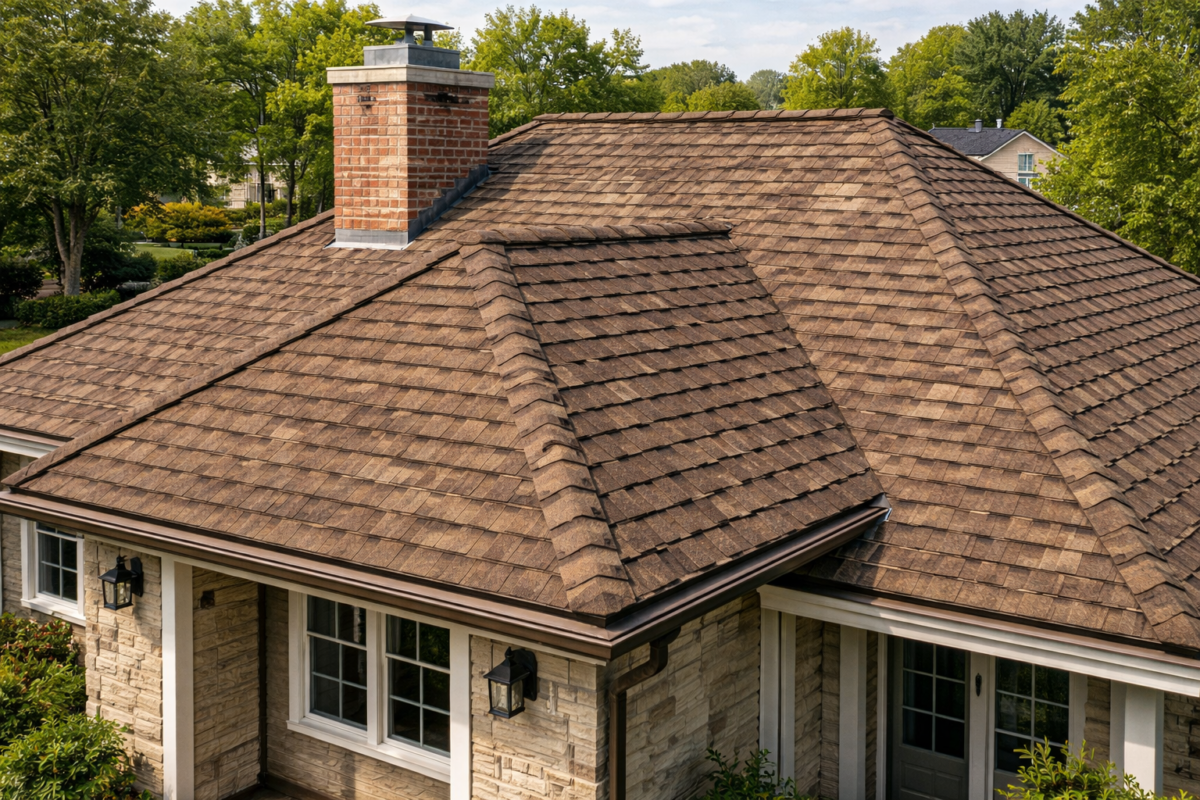
Selecting the right roof for your home is a decision that impacts not only the aesthetic appeal of your property but also its structural integrity, energy efficiency, and long-term value. With numerous roofing styles and materials available, homeowners often find themselves overwhelmed by choices. This comprehensive guide will walk you through everything you need to know about residential roofs, helping you make an informed decision that suits your home’s architecture, local climate, and personal preferences.
Understanding Different Roof Structures and Styles
The structure of the roof forms the foundation of your home’s protection system. Each roof style comes with distinct advantages, visual characteristics, and functional benefits.
Gable Roof: The Classic Triangle
The gable roof is perhaps the most recognizable roof structure in residential architecture. Characterized by its distinctive triangular shape, the gable style roof features two sloping sides that meet at a ridge, creating a peak.
Gabled roofs offer several advantages:
- Excellent water and snow runoff capabilities
- Spacious attic potential
- Good ventilation
- Classic, timeless appearance that suits many house styles
The gable roof definition extends to several variations, including:
- Side gable roof: The most common form, with the triangle facing the sides
- Front gable roof: Where the triangle faces the front
- Cross gable roof: Featuring two or more gable sections that intersect
- Return gable: Including a small roof section that returns at the eave
- False gable roof: A decorative element that doesn’t extend the full length
Simple gable roof designs remain popular for their cost-effectiveness and straightforward construction, while more complex roof structures might incorporate decorative roof peaks or architectural gables for added visual interest.
Hip Roof: Stability and Elegance
The hip roof shape features slopes on all four sides that come together at the top to form a ridge. Unlike the triangular roof house design of a gable, a hip shaped roof has no vertical ends.
Key benefits of hip roofs include:
- Superior stability in high-wind areas
- Excellent for snow and rainfall shedding
- More consistent eave lines around the house
- Opportunity for dormer roof styles to add character
Understanding the difference between hip and gable roof structures is crucial when making your selection. While hip roofs typically cost more to build than gable roofs, they offer better resistance to wind damage, making them ideal for hurricane-prone regions.
Types of hipped roofs include:
- Simple hip
- Pyramid hip (for square buildings)
- Half-hipped gable roof (also called jerkin head roof)
- Dutch hip (with a small gable at the peak)
Shed Roof: Modern Minimalism
The single pitch roof house design features a single sloping surface, making it one of the simplest roofing structures available. Also known as a lean-to or skillion roof, this style has gained popularity in contemporary architecture.
Homes with shed roofs offer:
- Clean, modern aesthetic
- Excellent water drainage
- Potential for higher ceilings
- Opportunity for clerestory windows
- Ideal for sloped shed roof design in regions with heavy rainfall
Flat Roof: Contemporary Appeal
Despite the name, flat roofs have a slight pitch for drainage. Common in modern and commercial architecture, they’re increasingly popular in residential roofing types for their:
- Rooftop living potential
- Solar panel compatibility
- Lower initial construction costs
- Distinctive contemporary appearance
Mansard Roof: French Elegance
This four-sided roof structure with double slopes on each side creates maximum interior living space. The lower slope is steeper than the upper, often featuring dormer roof styles to enhance light and space.
The architectural roofs of Mansard design originated in 17th century France and offer:
- Maximum usable attic space
- Distinctive European aesthetic
- Flexibility for future expansions
- Opportunity for decorative elements like window roof called dormers
- Historical character that enhances traditional house roof lines
Gambrel Roof: Barn-Inspired Charm
Often called a barn roof, the gambrel vs gable comparison reveals that gambrels have two slopes on each side, with the lower slope steeper than the upper. This design maximizes attic space while maintaining the charm of traditional architecture.
Roof styles gambrel designs provide:
- Nearly double the attic space of a traditional gable
- Distinctive country aesthetic
- Excellent water runoff capabilities
- Ideal for simple house style with gables that need extra space
- Historical connection to Dutch colonial and farmhouse architecture
- Opportunity for roof sections with varying materials for visual interest
Butterfly Roof: Eco-Friendly Innovation
This inverted V shaped shed roof design features two roof surfaces that slope inward toward the center, resembling butterfly wings. This innovative design allows for:
- Rainwater collection
- Taller walls for windows
- Unique architectural statement
- Solar panel optimization
The roof layout of butterfly designs creates a distinctive roof of building profile that:
- Makes a bold contemporary statement
- Creates opportunities for clerestory roofing installation
- Provides excellent natural lighting options
- Offers sustainable water management solutions
- Represents cutting-edge architectural roofing trends
Bonnet Roof: Southern Comfort
The bonnet roof features four sides with a lower slope that extends beyond the main structure, often creating a covered porch area. This design offers excellent protection from sun and rain while adding distinctive character to the home.
Bonnet roof characteristics include:
- Extended eaves for shade and weather protection
- Traditional southern architectural heritage
- Excellent for hot, rainy climates
- Distinctive roof lines on homes that create visual interest
- Protection for exterior walls from weather damage
- Integration of porch hip roof designs into the main structure
Clerestory Roofing: Light and Space
Clerestory roofing incorporates a vertical wall with windows between different sections of the roof, allowing natural light to flood interior spaces. This design is particularly valuable in homes where privacy and light are both priorities.
The clerestory roofing approach offers:
- Abundant natural light without sacrificing privacy
- Improved ventilation options
- Energy efficiency through passive solar gain
- Distinctive modern architectural element
- Opportunity to create dramatic interior spaces
- Solution for buildings with bigger roofs needing interior illumination
Curved Roof: Architectural Statement
Houses with curved roofs make a bold architectural statement. The roof curve can range from subtle to dramatic, creating unique spaces inside and distinctive profiles outside. Arched roof designs and bulbous roof styles offer exceptional aesthetic appeal but require specialized construction techniques.
The curved roof houses approach provides:
- Unique architectural identity
- Superior aerodynamic performance in high winds
- Dramatic interior ceiling possibilities
- Opportunity for innovative roofing design expression
- Connection to historical and international architectural traditions
- Distinctive silhouette among nice roof options for custom homes
Choosing the Right Roofing Material
Beyond the roof structure, selecting appropriate roofing materials significantly impacts your home’s durability, maintenance requirements, and energy efficiency.
Asphalt Shingles: Popular and Practical
The most common residential roofing material in North America, asphalt shingles offer:
When considering which type of roofing shingles to put on your house, remember that premium architectural shingles can mimic the appearance of more expensive materials while offering enhanced durability.
Metal Roofing: Durable and Efficient
Metal has become one of the best roofing systems for longevity and performance:
- 50+ year lifespan
- Excellent fire resistance
- Energy efficiency
- Recyclability
- Available in panels or shingles
- Compatible with rounded roof shingles for specialized designs
Metal roofing represents one of the most versatile roofing for residential options, with styles including:
- Standing seam panels for modern aesthetics
- Metal shingles that mimic traditional materials
- Corrugated panels for agricultural or industrial-inspired designs
- Copper, zinc, aluminum, and steel options for different performance needs
- Energy-efficient finishes that reflect solar heat
- Lightweight solutions ideal for roof construction basics without requiring structural reinforcement
Clay and Concrete Tiles: Timeless Appeal
These materials offer exceptional durability and distinctive appearance:
- 50-100+ year lifespan
- Excellent fire resistance
- Low maintenance
- Superior insulation properties
- Classic Mediterranean or Spanish aesthetic
The roofing choices in the tile category include:
- Traditional barrel tiles for authentic Mediterranean look
- Flat tiles for more contemporary applications
- Interlocking designs for enhanced wind resistance
- Color-through options that maintain appearance as they age
- Regional variations that reflect local architectural traditions
- Specialized shapes for roof drawings for houses with distinctive character
Slate: Premium Natural Beauty
Natural slate represents the premium end of roofing choices:
- 100+ year lifespan
- Unmatched elegance
- Exceptional durability
- Fire resistance
- Environmental sustainability
Slate roofing provides:
- Unique natural variations in color and texture
- Historical authenticity for period homes
- Exceptional resistance to extreme weather conditions
- Potential to last several generations with minimal maintenance
- Distinctive texture that enhances architectural style roof designs
- Premium appearance that increases property value
Wood Shingles and Shakes: Natural Warmth
Wood offers a natural, warm aesthetic particularly suited to cottage roof designs:
- Natural insulation properties
- Distinctive weathering patterns
- Renewable resource
- 25-30 year lifespan with proper maintenance
Wood roofing options include:
- Machine-cut shingles for a uniform appearance
- Hand-split shakes for rustic character
- Various wood species including cedar, redwood, and cypress
- Treatment options for enhanced fire and rot resistance
- Traditional appearance ideal for cottage roof and craftsman designs
- Natural aging process that creates a distinctive silver-gray patina
Synthetic Roofing Products: Modern Alternatives
Engineered to mimic natural materials, synthetic options offer:
- Lower maintenance requirements
- Lighter weight
- Enhanced durability
- Often made from recycled materials
- Resistance to common roofing problems
Synthetic roofing innovations include:
- Polymer composites that replicate slate appearance
- Rubber products made from recycled tires
- Fiber cement options with exceptional durability
- Plastic composites that mimic wood without maintenance concerns
- Innovative solutions for special roofs with unusual requirements
- Eco-friendly alternatives to traditional petroleum-based products
Factors to Consider When Choosing Your Roof
Climate Considerations
Your local weather patterns should heavily influence your roofing choices:
- High rainfall areas: Prioritize steep pitches and water-resistant materials
- Snow-prone regions: Consider roof shapes for insurance that handle snow loads effectively
- Hurricane zones: Hip shape roof designs offer better wind resistance
- Hot, sunny climates: Reflective materials reduce cooling costs
- Fire-prone areas: Class A fire-rated materials are essential
The roof of a building must withstand specific regional challenges:
- Coastal environments require corrosion-resistant materials
- Desert regions benefit from high solar reflectance
- Northern exposures need materials that withstand freeze-thaw cycles
- Urban heat islands may require cool roofing solutions
- Areas with extreme temperature fluctuations need materials with appropriate expansion properties
- Regions with specific hazards like hail require impact-resistant options
Architectural Compatibility
The best roof for house aesthetics depends on your home’s architectural style:
- Colonial homes: Side gabled roof or hip roof
- Victorian: Complex roof constructions with steep pitches
- Ranch: Low-pitched hip roofs or gable roof homes
- Modern: Flat roof or shed roof
- Craftsman: Gable roof structure with wide eaves
- Mediterranean: Clay tile with low pitch
- Cottage: Steep gable and dormer roof combinations
Architectural roofs should consider:
- Historical accuracy for period homes
- Neighborhood context and visual harmony
- Proportional relationships between roof and walls
- Traditional regional building practices
- Balance between personal expression and resale considerations
- How roof triangles and other geometric elements complement the overall design
Energy Efficiency
Your roof plays a crucial role in your home’s energy performance:
- Cool roofs reflect more sunlight and absorb less heat
- Proper insulation and ventilation in the roof structure design
- Solar reflectance index (SRI) ratings indicate heat reflection capacity
- Energy Star certified roofing materials can reduce cooling costs by 15-30%
The roof in house energy system includes:
- Radiant barriers that reflect heat in hot climates
- Proper attic ventilation to prevent moisture buildup
- Insulation values appropriate for your climate zone
- Air sealing to prevent conditioned air loss
- Potential for integrated solar collection systems
- Strategic overhangs for seasonal sun control
Budget Considerations
When evaluating roofing options for homes, consider both initial and lifetime costs:
- Initial installation costs
- Expected lifespan
- Maintenance requirements
- Energy savings
- Insurance premium impacts
- Potential resale value contribution
The roofing for house budget should account for:
- Material quality tiers within each category
- Labor complexity for different designs
- Structural requirements for heavier materials
- Removal and disposal costs for existing roofing
- Potential tax incentives for energy-efficient options
- Warranty value and long-term protection
- Return on investment through increased home value
Maintenance Requirements
Different roof types demand varying levels of maintenance:
- Asphalt shingles: Periodic inspection, occasional replacement
- Metal: Minimal maintenance, check fasteners
- Tile and slate: Occasional broken piece replacement
- Wood: Regular treatments against moisture and pests
Roof maintenance considerations include:
- Accessibility for inspection and repairs
- Vulnerability to organic growth like moss and algae
- Susceptibility to impact damage from branches or hail
- Gutter system compatibility and maintenance needs
- Snow removal requirements in applicable climates
- Professional inspection schedules recommended for your material
- DIY maintenance possibilities versus professional service needs
Local Building Codes and HOA Restrictions
Before finalizing your roofing for home decision:
- Check local building codes for material restrictions
- Verify HOA guidelines regarding roof style images and materials
- Ensure compliance with fire safety regulations
- Confirm wind resistance requirements in coastal areas
Regulatory considerations for residential roofing types include:
- Historical district requirements for heritage properties
- Wind uplift ratings appropriate for your region
- Required underlayment and ice barrier specifications
- Proper ventilation standards for your climate
- Permit requirements for structural modifications
- Professional licensing requirements for installers
- Environmental regulations regarding disposal of old materials
Popular Roof Combinations and Special Considerations
Mixed Roof Designs
Many contemporary homes feature multi gable roof designs or combinations of different styles:
- M shaped roof (double gable)
- Gable roof with shed roofs on houses as extensions
- Hip or gable roof combinations
- Asymmetrical gable roof with varying pitches
- Tiered roof systems with multiple levels
Complex roof designs offer:
- Architectural interest through varying planes and heights
- Opportunity to highlight different sections of the home
- Solutions for additions to existing structures
- Creative approaches to roof construction design challenges
- Distinctive silhouettes that stand out in the neighborhood
- Functional solutions for complex floor plans
Roof Extensions and Special Features
Consider how types of roof overhangs and extensions enhance functionality:
- Roof extension types for porches and entryways
- Porch roof types that complement the main structure
- Porch hip roof designs for balanced aesthetics
- Roof for porch types that provide adequate protection
- Types of roof overhangs for shade and weather protection
Special roof features include:
- Dormers that add light, ventilation, and usable space
- Cupolas for distinctive architectural character
- Skylights for natural illumination
- Roof windows for ventilation and emergency egress
- Solar panel integration considerations
- Green roof potential for environmental benefits
- Snow guards in applicable climates
Regional Considerations
Different regions have developed roof styles that address local conditions:
- Where are gable roofs most common? Throughout North America and Europe
- Steep pitches in snowy northern climates
- Wide overhangs in rainy regions
- Flat or low-pitched roofs in arid areas
- A frame roof designs in mountain regions
Regional roofing traditions reflect:
- Historical building practices and available materials
- Climate adaptation strategies developed over generations
- Cultural influences from settlement patterns
- Practical solutions to local weather challenges
- Aesthetic preferences that define regional character
- Technological adaptations to modern building science
Making Your Final Decision: Which Roof is Best for You?
When determining what type of roof is best for your specific situation, consider these key questions:
- What is the best roof for house durability in your climate?
- Which roofing for houses options match your architectural style?
- Does your budget align with your preferred materials and design?
- Have you considered long-term maintenance requirements?
- Will your choice optimize energy efficiency for your region?
- Does your selection comply with local regulations and restrictions?
The best type of roofing balances aesthetics, functionality, and practicality. While there’s no universal answer to which roof type is best, understanding the strengths and limitations of each option empowers you to make the right choice for your specific circumstances.
Determining the best roof involves weighing multiple factors:
- The best roof for house longevity might be slate or metal
- The best roof for budget-conscious homeowners could be asphalt shingles
- The best type of roof for hurricane regions would be a properly designed hip roof
- The best roofs for homes in historic districts might need to match original materials
- The best roofing system for energy efficiency depends on your climate zone
- The best type of roofing for DIY maintenance would be asphalt or metal panels
Remember that what is the best roof varies significantly based on your specific needs, location, and priorities. A roofing professional can help you navigate these considerations to find your ideal solution.
Working With Roofing Professionals
Selecting the right contractor is as important as choosing the right roof structure:
Finding Qualified Installers
The installation quality directly impacts your roof of the house performance:
- Verify proper licensing and insurance
- Check manufacturer certifications for your chosen materials
- Review past projects similar to your roofing design
- Confirm warranty offerings on both materials and labor
- Ask about crew experience with your specific roof style
- Request references from previous customers with similar projects
Understanding Warranties and Guarantees
Protection for your investment in roofing for residential properties includes:
- Manufacturer material warranties (typically 20-50 years)
- Workmanship guarantees from the installer
- Extended warranty options for premium systems
- Transferability considerations for future home sales
- Coverage limitations and maintenance requirements
- Documentation needed for insurance purposes
The Consultation Process
A thorough roofing consultation should address:
- Comprehensive assessment of your existing roof of building
- Structural evaluation to identify any underlying issues
- Discussion of appropriate roofing choices for your situation
- Detailed explanation of different kinds of roofing materials
- Clear, itemized estimate for all aspects of the project
- Timeline expectations and project management details
- Answers to your questions about how to choose the right roofing material
Sustainable Roofing Options
Environmentally conscious homeowners have expanding options for roofing for homes:
Cool Roofing Technology
Energy-efficient roof options for house include:
- High solar reflectance materials that reduce cooling costs
- Specialized coatings for existing roofs
- Light-colored options that minimize heat absorption
- Certified products that meet Energy Star requirements
- Solutions that help combat urban heat island effect
- Materials that reduce your home’s carbon footprint
Solar Integration
Modern roofing design increasingly incorporates solar technology:
- Traditional mounted solar panels
- Integrated solar shingles and tiles
- Battery storage system compatibility
- Positioning and pitch optimization for solar collection
- Structural considerations for supporting solar equipment
- Financial incentives that offset installation costs
Recycled and Recyclable Materials
Sustainable roofing for house options include:
- Metal roofing with high recycled content
- Shingles made from recycled rubber and plastics
- Wood alternatives made from composite materials
- End-of-life recyclability considerations
- Reduced landfill impact compared to traditional materials
- Products manufactured with reduced environmental impact
Living Roof Systems
For the environmentally adventurous, green roofs offer:
- Natural insulation properties
- Stormwater management benefits
- Habitat creation for pollinators
- Reduction of urban heat island effect
- Extended roof membrane lifespan
- Aesthetic and psychological benefits
Roof Maintenance and Longevity
Protecting your investment in residential roofs requires ongoing attention:
Seasonal Maintenance Checklist
Regular care extends the life of your roof of a building:
- Spring: Check for winter damage and clean gutters
- Summer: Inspect for storm damage and address minor repairs
- Fall: Clear debris and prepare for winter weather
- Winter: Monitor for ice dams and excessive snow loads
Signs Your Roof Needs Attention
Watch for these indicators that your house roof needs professional evaluation:
- Missing, cracked, or curling shingles
- Granules in gutters (asphalt)
- Sagging areas or visible depressions
- Water stains on interior ceilings or walls
- Daylight visible through roof boards
- Excessive energy bills suggesting insulation failure
- Age approaching expected lifespan for your material
Extending Roof Lifespan
Maximize the durability of your roofing for home:
- Address minor issues promptly before they escalate
- Maintain proper attic ventilation and insulation
- Keep gutters clean and functioning properly
- Trim overhanging branches that could damage the roof
- Schedule professional inspections after major weather events
- Follow manufacturer maintenance recommendations
- Document all maintenance for warranty purposes
Conclusion: Creating Your Ideal Roof
Your house roof is more than just protection—it’s an architectural statement that defines your home’s character. Whether you prefer the classic appeal of triangles in roofs, the stability of a hip shaped roof, or the modern lines of a single sloped roof design, the perfect option exists for your needs.
By carefully considering the factors outlined in this guide, you’ll be well-equipped to make an informed decision about choosing the right roofing material and style. Remember that the best roof combines aesthetic appeal with practical performance, creating a protective covering that enhances your home’s beauty while providing decades of reliable service.
The process of how to choose a roofing style involves balancing multiple considerations:
- Architectural harmony with your home’s design
- Climate-appropriate materials and structures
- Budget constraints for both short and long-term
- Personal aesthetic preferences
- Energy efficiency goals
- Maintenance capacity and willingness
Your roof represents approximately 40% of your home’s visible exterior, making it a crucial element in your property’s curb appeal and value. Beyond aesthetics, it forms your primary defense against the elements, protecting everything beneath it from damage.
When you invest in quality roofing for residential properties, you’re not just buying materials, you’re securing peace of mind, energy efficiency, and protection for decades to come.
The right roof enhances your home’s character while silently performing its essential protective function through years of sun, wind, rain, and snow.
Ready to transform your home with the perfect roof? Contact qualified roofing professionals today to discuss your options and begin the journey toward your ideal roofing design.