
Choosing the wrong tennis racket can lead to poor performance, discomfort, and arm injuries. This guide explains everything step by step so you can confidently choose the right Tennis racket without overthinking.
- 1. How to Choose a Tennis Racket (Step by Step)
- 2. How to Choose a Tennis Racket for Beginners
- 3. What Tennis Racket Size Do I Need?
- 4. Racket Head Size Explained
- 5. How to Choose the Right Tennis Racket Grip Size
- 6. What Makes a Good Tennis Racket?
- 7. Tennis Racket Balance Types Explained
- 8. Common Mistakes When Choosing a Tennis Racket
- 9. What Tennis Racket Should I Buy?
1. How to Choose a Tennis Racket (Step by Step)
The best way to choose a tennis racket is to decide in this order:
Skill level
Racket head size
Grip size
Weight and balance
This order prevents the most common beginner mistakes.
2. How to Choose a Tennis Racket for Beginners
Beginners should choose a tennis racket that is lightweight, forgiving, and easy to swing.
Beginner-friendly features:
Larger head size (100–110 sq in)
Lightweight frame (260–285g unstrung)
Slightly head-heavy balance
Correct grip size
Avoid professional rackets — they demand advanced technique and strength.
3. What Tennis Racket Size Do I Need?
Most beginners need a tennis racket with a 100–110 sq in head size and standard 27-inch length.
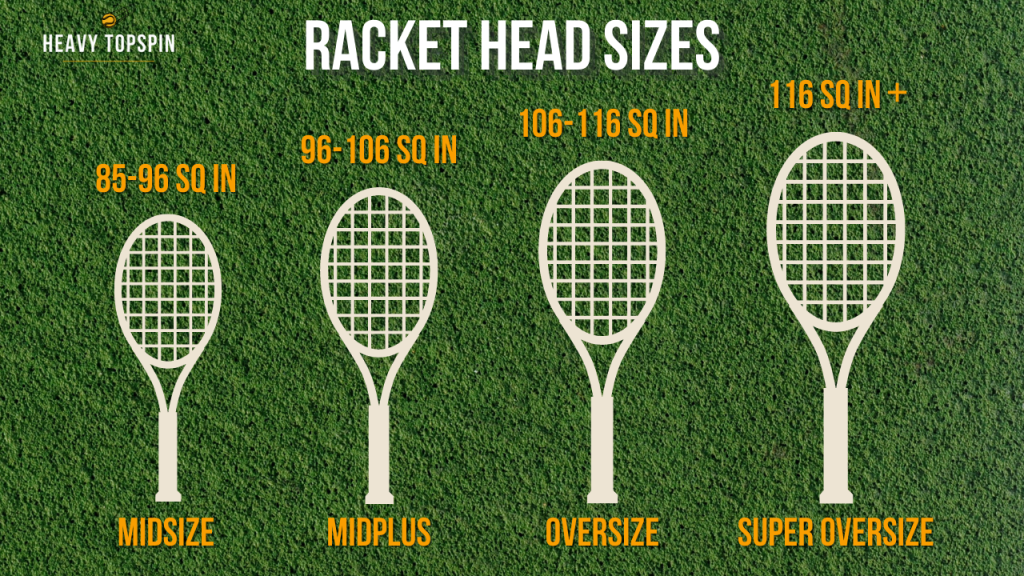
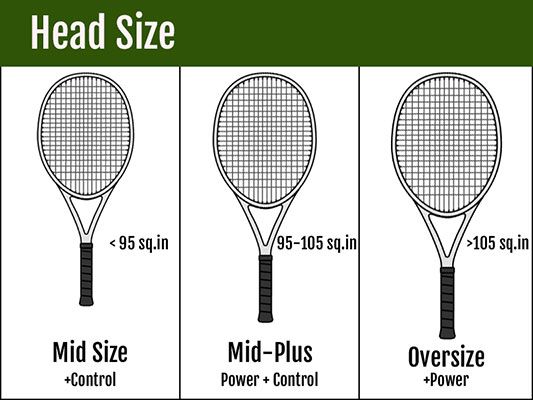
4. Racket Head Size Explained
Oversize (110+ sq in): Maximum forgiveness & power
Mid-plus (98–104 sq in): Balanced power & control
Mid (≤97 sq in): Precision (advanced players)
Beginners should choose over-size or mid-plus.
5. How to Choose the Right Tennis Racket Grip Size
Your grip size is correct if you can fit one finger between your palm and fingers while holding the racket.
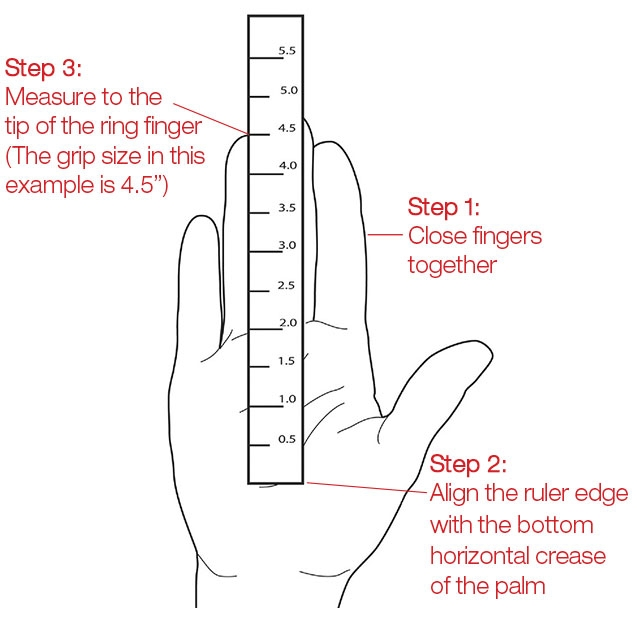
Common Grip Sizes
4 1/4″ – Small hands
4 3/8″ – Average women
4 1/2″ – Average men
4 5/8″ – Large hands
If unsure, choose the smaller size — over-grips can increase it.
6. What Makes a Good Tennis Racket?
A good tennis racket matches your skill level, strength, and comfort, not the brand name or price.
Key Factors Explained
Weight
Beginners: 260–285g
Lighter rackets = easier swings & less fatigue
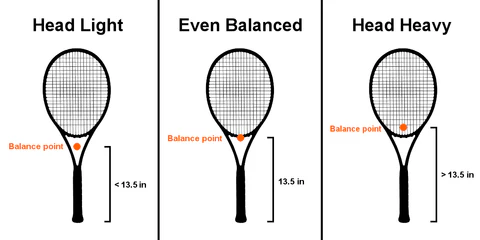
Balance
Head-heavy → More power
Even balance → All-round play
Head-light → Control (advanced)
7. Tennis Racket Balance Types Explained
Beginners benefit most from slightly head-heavy rackets, which help generate power with less effort.
8. Common Mistakes When Choosing a Tennis Racket
Avoid these beginner mistakes:
Buying a professional racket
Choosing a racket that’s too heavy
Ignoring grip size
Prioritizing brand over comfort
Your racket should feel comfortable for 2+ hours of play.
9. What Tennis Racket Should I Buy?
Choose a beginner-labelled racket from a trusted retailer in the mid-price range, focusing on comfort and forgiveness rather than advanced specs.
A beginner should use a tennis racket with a 100–110 sq in head size, standard length, and lightweight frame.
No. Heavier rackets offer more control but require strength and technique. Beginners benefit from lighter rackets.
You know your grip size is correct if one finger fits between your palm and fingers when holding the racket.
Yes. Incorrect grip size, excessive weight, or stiff frames can contribute to tennis elbow and wrist pain.
No. Expensive rackets are designed for advanced players and do not improve beginner performance.